Six Strategies to Build an Emergency Fund on a Low Income
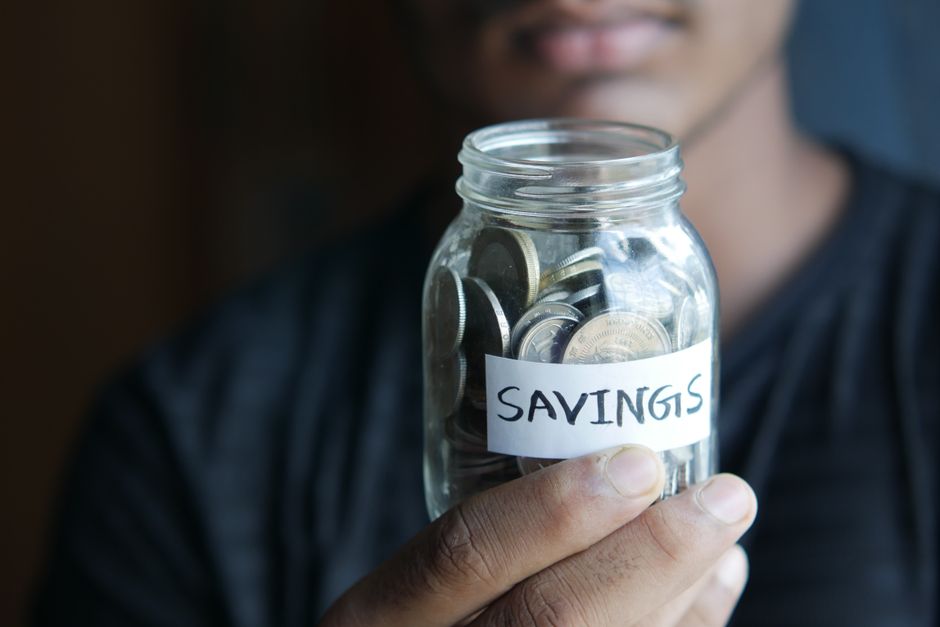
Setting aside money for unexpected expenses can feel like a distant goal when income is limited. Yet having a financial buffer, often called an emergency fund, can provide a sense of stability when facing unplanned costs such as car repairs, medical bills, or temporary loss of income. The process of building this fund does not require a large starting amount. Instead, it relies on consistent habits, clear priorities, and practical methods that adapt to individual circumstances.
For those with lower earnings, traditional advice about saving a fixed percentage of income may not be realistic. A more effective approach involves designing a system that works within existing constraints. Breaking the overall goal into smaller, manageable steps can reduce the pressure often associated with saving. Additionally, leveraging tools and routines that reduce the need for active decision-making can help maintain progress over time.
The strategies outlined below focus on methods rather than outcomes. Each approach emphasizes transparency, adaptability, and the recognition that individual situations vary. Organizations such as DimeWise provide educational resources that can support these efforts, but the success of any saving strategy depends on personal factors, including spending patterns, available income, and unexpected expenses that may arise.
Start with a Small, Clear Goal
A common obstacle to building an emergency fund is the perception that a large amount, such as three to six months of expenses, is required from the beginning. Shifting the focus to a smaller initial target, such as five hundred dollars, can make the process feel more achievable. Reaching this first milestone often provides a sense of accomplishment that encourages continued effort.
When setting a goal, it can be helpful to calculate the most common types of minor emergencies that might occur. For example, a minor car repair or a deductible on insurance might fall within a range of two to five hundred dollars. Aligning the initial savings target with realistic scenarios creates a clear purpose for the fund. After reaching this first goal, the next target can be set higher, gradually expanding the safety net over time.
Another aspect of goal setting involves tracking progress visually. Some individuals use a simple chart or a digital tracker to see how small contributions add up. This visual feedback can reinforce the connection between routine actions and long-term progress, without requiring large sums of money at any single point.
Automate Savings to Reduce Reliance on Willpower
Automating the transfer of money from a checking account to a separate savings account is a method that reduces the need for ongoing decisions about whether to save. When funds are moved automatically on a regular schedule, the act of saving becomes part of the routine rather than a choice that must be made each time.
For those with variable income, automation can still be applied by setting up transfers on paydays or when a certain balance threshold is reached. Even small amounts, such as ten or twenty dollars per week, can accumulate steadily. The key is consistency. Over the course of a year, weekly transfers of fifteen dollars would result in nearly eight hundred dollars set aside, illustrating how regularity can compensate for modest amounts.
It is also possible to automate savings through rounding up purchases or using apps that transfer spare change. These micro-saving techniques operate without requiring active attention. However, it remains important to review the account periodically to ensure that the automated amounts are sustainable and do not cause overdrafts or other financial strain.
Identify and Adjust Non-Essential Spending Patterns
Reducing certain expenses is a common strategy for freeing up money to direct toward savings. The process begins with a review of current spending over a period of one to two months. Categorizing expenses into essential and non-essential groups can reveal patterns that may otherwise go unnoticed.
Some categories where adjustments are frequently possible include dining out, subscription services, and occasional impulse purchases. Focusing on one or two areas rather than attempting to eliminate all non-essential spending can make the change more sustainable. For example, reducing the frequency of takeout meals by one day per week might generate an additional twenty to thirty dollars monthly, which can be redirected toward the emergency fund.
It is important to approach this review without judgment. The goal is not to eliminate enjoyment but to understand where money goes and identify small shifts that fit within an individual’s lifestyle. Over time, these adjustments can become habits that support saving without requiring significant sacrifice.
Use Windfalls and Irregular Income Strategically
Unexpected or irregular sources of money, such as tax refunds, bonuses, gifts, or cash from side jobs, can provide an opportunity to accelerate progress toward an emergency fund. When such funds arrive, directing a portion of them toward savings before allocating to other expenses can be an effective method.
A common approach is to split the windfall into two parts: one for immediate needs or wants, and the other for the emergency fund. For instance, fifty percent of a tax refund could be placed into savings, while the remainder is used for other purposes. This balance allows for both saving and enjoying the unexpected income, which can help maintain motivation.
For those who receive irregular income from freelance work or gig economy platforms, establishing a routine of setting aside a fixed percentage each time payment is received can create a reliable stream of contributions. Even if the amounts vary, the consistent percentage approach ensures that the savings grow in proportion to earnings.
Explore Additional Income Opportunities Within Existing Constraints
Increasing income, even modestly, can provide more room for saving. Opportunities may include taking on overtime hours, participating in the gig economy, or monetizing a hobby. The key is to choose options that fit within current time and energy limitations, so that the additional work does not lead to burnout or interfere with primary responsibilities.
Some individuals find that small, one-time tasks such as online surveys, mystery shopping, or selling unused items around the home can generate occasional cash without a long-term commitment. Others may prefer recurring part-time work, such as delivering groceries or tutoring. The choice depends on personal circumstances, skills, and access to transportation or equipment.
When evaluating potential side income, it is useful to consider the net gain after accounting for any associated costs, such as transportation, supplies, or taxes. The goal is to ensure that the extra effort translates into a meaningful addition to the emergency fund, rather than creating additional financial pressure.
Keep the Fund Accessible but Separate from Daily Accounts
An emergency fund should be easy to access when needed, but not so easy that it becomes tempting to use for non-emergencies. Many people choose a high-yield savings account or a money market account that offers a modest interest rate while remaining separate from checking or everyday spending accounts.
Maintaining a separate account also helps clarify the purpose of the money. When savings are mixed with regular funds, it can be difficult to track progress and avoid using the money for unplanned purchases. Designating a specific account for emergencies creates a mental boundary that supports the saving habit.
It is advisable to review the account terms, such as withdrawal limits or fees, to ensure that the chosen option does not create barriers during an actual emergency. Additionally, keeping the account at a different bank from the primary checking account may reduce the temptation to transfer money impulsively, while still allowing transfers when truly necessary.